
The thesis
Healthy Futures is about how health, wellness, history, culture, and politics collide to determine our personal and communal well-being.
These connections are the architecture of everything else associated with the project. I created Healthy Futures because I wanted a place where writing about proteinmania could sit next to writing about how unemployment affects your health, which could sit next to writing about Tyra Banks and Fannie Lou Hamer and RFK Jr.—and where all of it could be taken seriously as one body of work. Mainstream health outlets don't make that connection. Most wellness newsletters don't make it either. Healthy Futures was built specifically to do this.
How it's built
Free is the default. I built Healthy Futures as a public good. The free tier carries the bulk of the editorial work, which includes the Living a Better Life resources, expert Q&As, and essays on pop culture and political moments relevant to health and wellness. The principle is that anything that could improve someone's health or well-being is free, and will always be free. The audience I most wanted to reach—Black women who may not have the access or capital to pay for information that journalists like me get for free as a function of the work—should not have to pay for the things that matter most.
Paid as the specialty layer. The paid tier holds three products that are extras rather than essential: cultural wellness analysis (twice-monthly essays on the unseen forces shaping how we live), the Wellness Debrief (a monthly intelligence brief that decodes health and wellness news), and the Shelf (my vetted shortlist of brands and tools, with paid-subscriber discount codes).
That structure is itself an editorial argument: the things that matter for your health are free; the things that are fun, deeper, or specialty are paid. Most newsletter monetization runs in the opposite direction.
Ecosystem, not silo. Healthy Futures is one of two properties I run that share an editorial thesis but do different work. The other is the Library of Black Wellness, a cultural preservation project and archival resource. They're separate properties because they do separate things. People don't come to Substack for an archive, and they don't come to an archive for a weekly newsletter. One holds the past. The other writes the future. But they sit on the same continuum.
Healthy Futures is a working artifact of how I think about connection across domains. The reason a piece about Clavicular can sit next to a piece about the Louisiana cup cure— and have both feel like part of one project—is the same reason I can scaffold a research initiative on family economic security, or build editorial infrastructure for a health brand, or construct a Slate piece that bridges lived experience, medical history, and policy in 4,000 words.
That capability is connection-making at scale, made coherent through deliberate architecture. Healthy Futures is the place where I do it on my own terms.
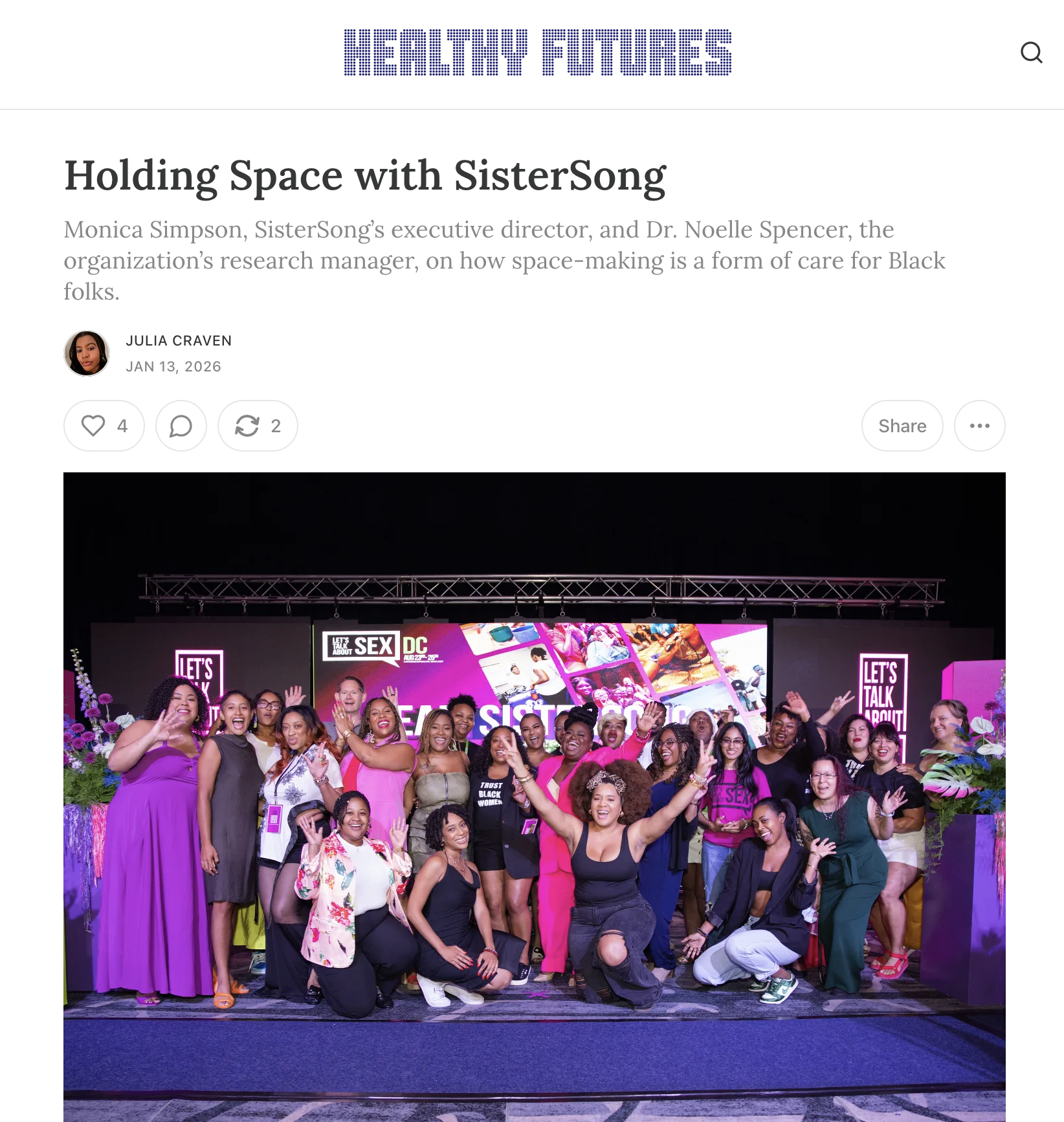
Artifact 004: A screengrab of a recent post.
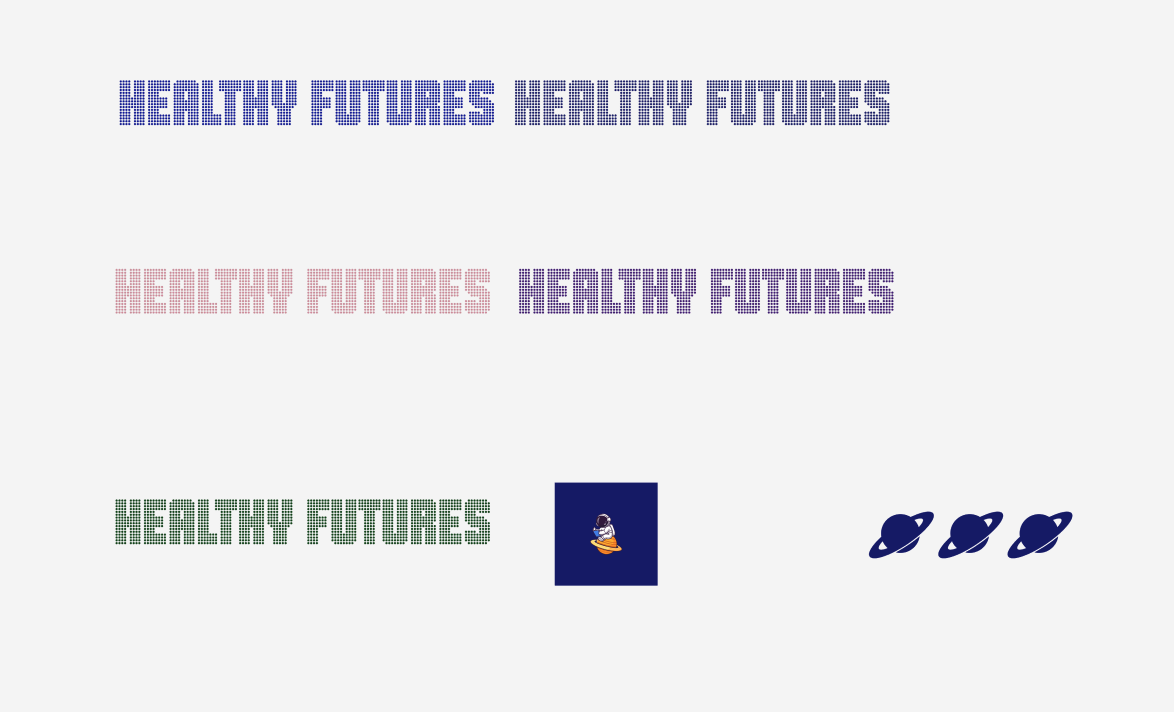
Artifact 005: Logo mockups made by me in Figma while I was determining the color palette.
How it grows
Healthy Futures has just over 3,200 subscribers across 50 states and 61 countries with a ~40% open rate. It was named a Substack Top 10 Rising Newsletter in Health & Wellness in 2025 and featured by Good Good Good as one of the 24 Best Wellness Newsletters for a Balanced Inbox.
The growth strategy is less complicated than people might expect: people care deeply about how experts they admire think, so we have to make sure that information gets into their inboxes regularly, and with compelling writing. That’s how I grew New America’s Better Life Lab newsletter by 1,000 subscribers in under two years and maintained a 40% open rate. I also built relationships with other Substack writers with larger audiences than mine and earned recommendations from them. This combination has driven consistent subscriber growth—900 subscribers since January 2025 (as of April 2025).
What’s active
I'm weaving the newsletter portion of the Library of Black Wellness into the Healthy Futures platform. Since the Library and Healthy Futures are two branches of the same tree, the writing that connects the archive to the present belongs where readers already are. I'm also getting back into interactive work and experimenting with what's possible inside the newsletter form. The most recent piece is the MAHA Matrix, an interactive scatter plot that maps how people get red- and black-pilled through wellness.